← Back to blog
Research

Anatomy of 2,000 Falls

Most care homes are monitoring the wrong things. We analysed 2,000 real falls and 3 million state transitions to find out what actually matters.

March 2026

2,000+

Confirmed falls analysed

3M+

State transitions recorded

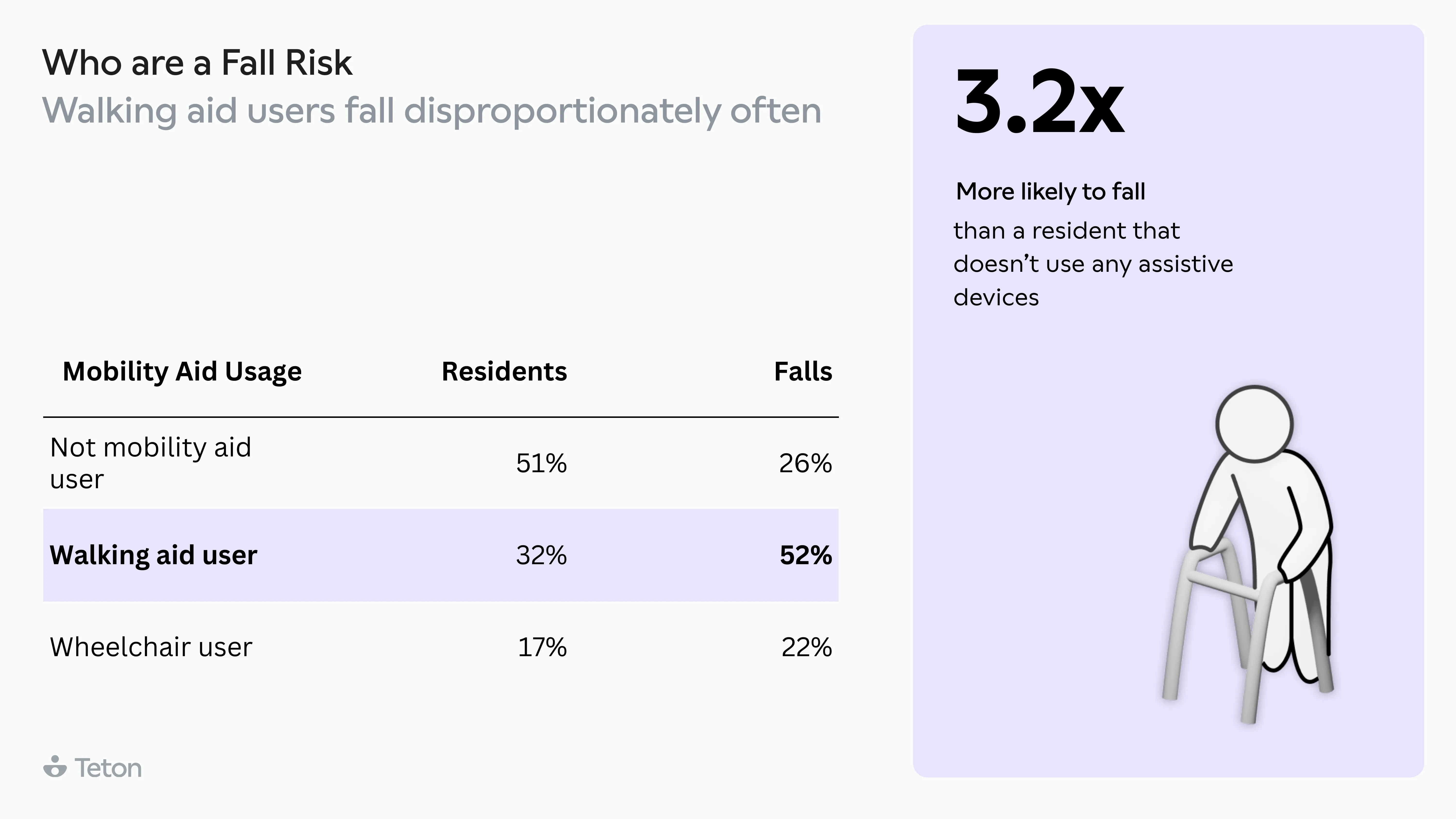
Getting out of bed is 2.5x more dangerous than any other movement. A transition at 3 AM is 63% more likely to end in a fall than the same transition at 3 PM. Walking aid users make up 32% of residents but account for 52%of all falls, and two-thirds of those falls happen when the aid isn't being used.

These aren't estimates. They come from 2,000 confirmed falls and 3 million state transitions recorded by Teton's monitoring system across care settings in the United States, Denmark, the United Kingdom, and Switzerland.

We analysed all of it to answer a practical question: what actually precedes a fall, and what can we do about it? Here is everything we found.
How the Teton system sees a room

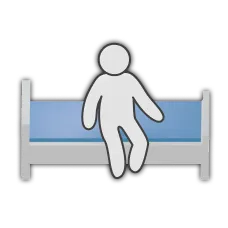
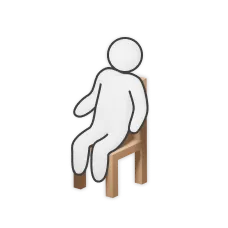
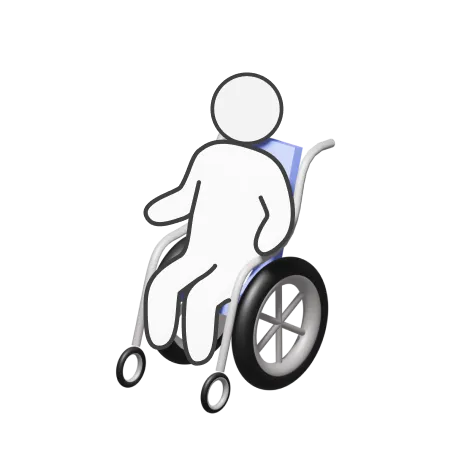
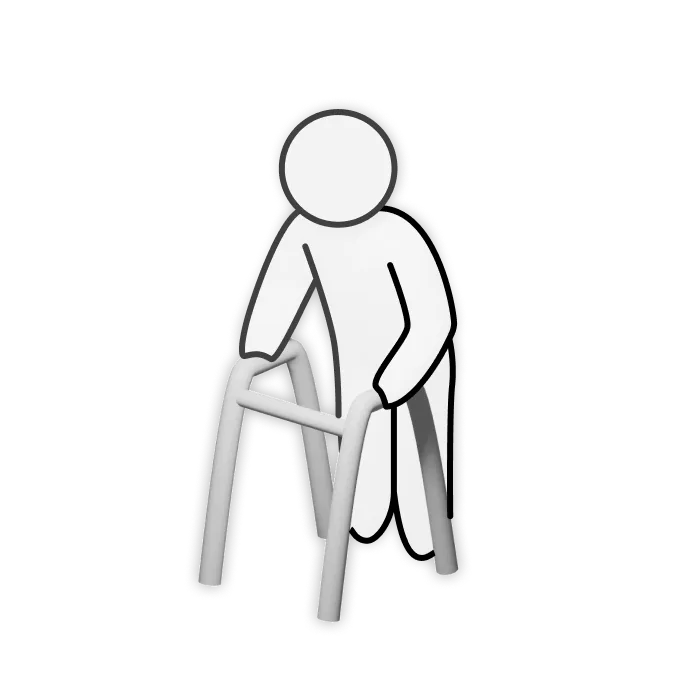
The Teton sensor detects every person in the room, including residents, visitors, and staff, and classifies what they are doing 10 times per second. The system recognises 14 distinct states a person can be in. A transition is any movement from one state to another, such as getting out of bed, sitting down in a chair, leaving the room.

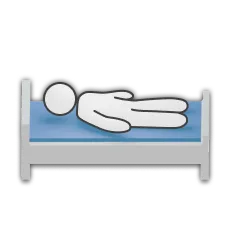
Laying in bed
Laying in bed
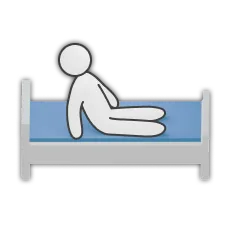
Sitting in bed
Sitting in bed
Bed edge
Bed edge
Sitting in chair
Sitting in chair
In wheelchair
In wheelchair
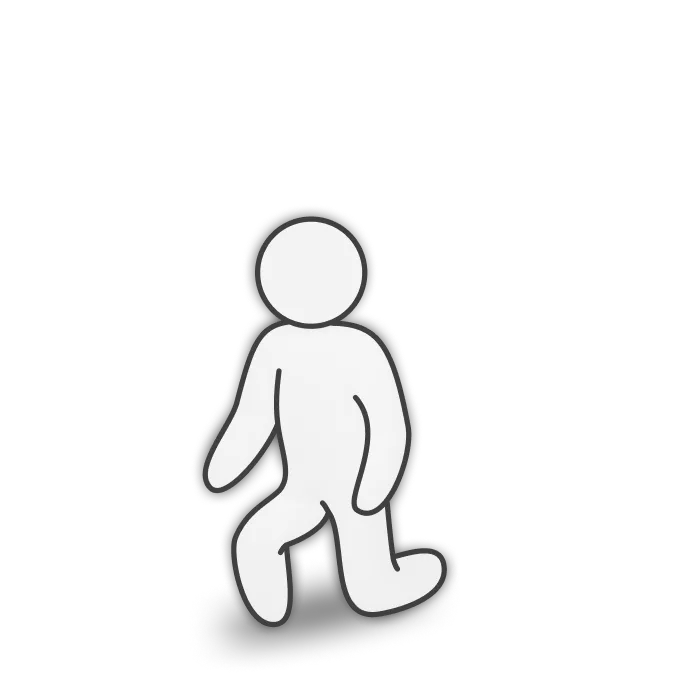
Standing
Standing
Walking with aid
Walking with aid
Kneeling
Kneeling
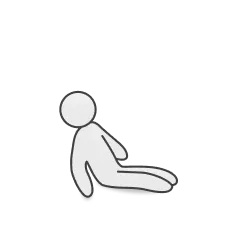
Sitting on floor
Sitting on floor
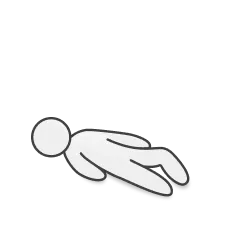
Laying On floor
Laying On floor
Out of view
Out of view
Bathroom
Bathroom
Common area
Common area
Garden
Garden

Every time a person moves from one state to another, the system logs a transition. Across 2,000 falls, we analysed the 3 million transitions surrounding them to understand which ones are dangerous and which ones are not.

See more of Teton's system →

Not all transitions are equal

A care home monitoring system tracks dozens of state changes per resident per day. A resident goes from lying in bed to sitting up. From sitting to standing. From standing to walking. From in the room to out of view. Most of these transitions are completely routine. A few of them are dangerous.

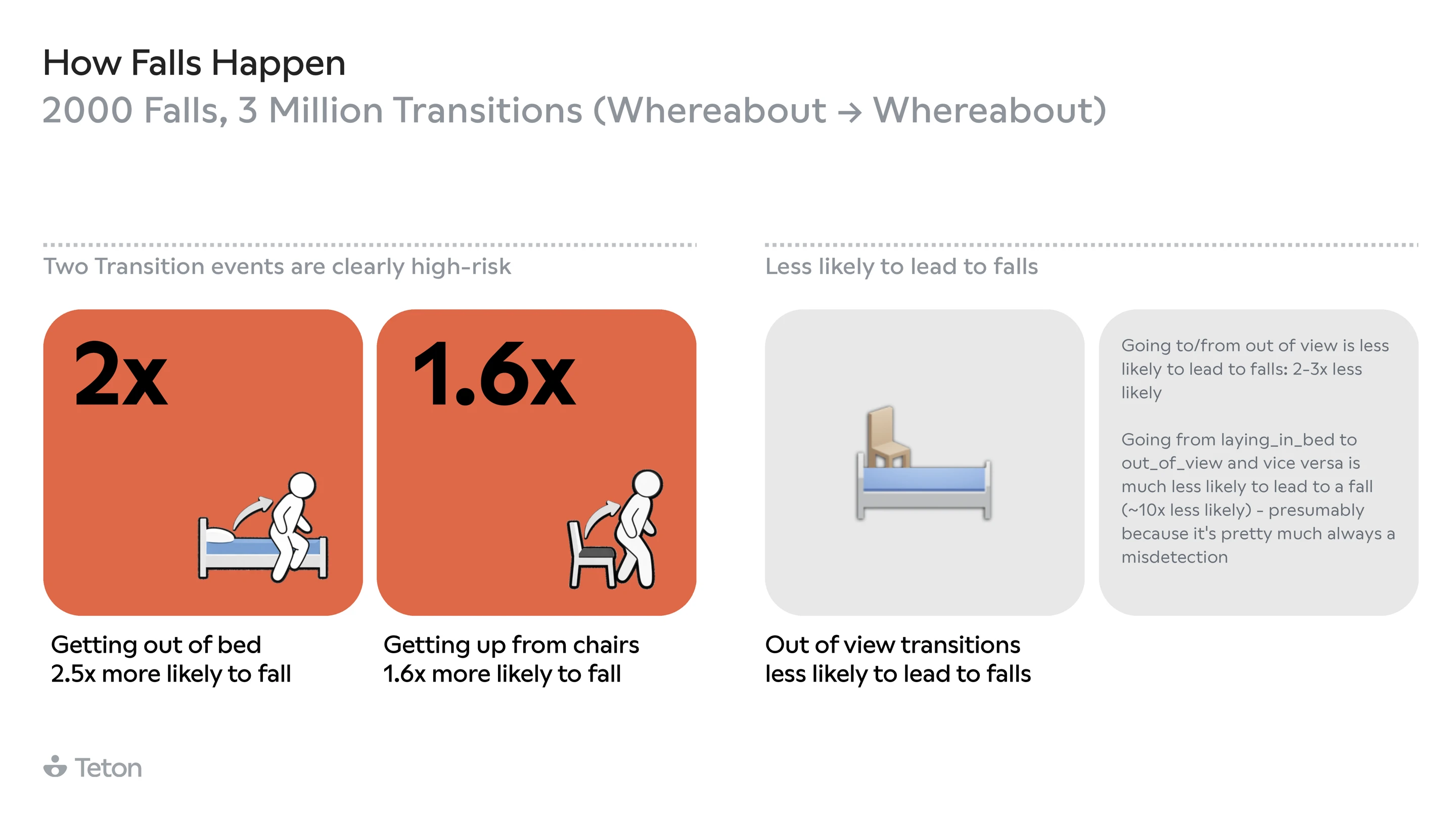
We measured the relative fall risk of every transition type across 3 million events:

TransitionFall risk vs. baseline
Getting out of bed2.5x more likely
Getting up from a chair1.6x more likely
Going to/from out of view2–3x less likely
Bed to out of view (and vice versa)~10x less likely

The first two make intuitive sense. The transfer from a supported position (lying, sitting) to an unsupported one (standing) is the moment of maximum instability. But the out-of-view finding is just as important: transitions to and from the bathroom, the corridor, or out of the room are significantly less likely to lead to falls. This means many monitoring systems are alerting on exactly the wrong transitions, generating noise from out-of-view events while under-alerting on bed and chair exits.

Transition risk: getting out of bed 2.5x, getting up from chair 1.6x, out-of-view transitions less likely

When falls happen

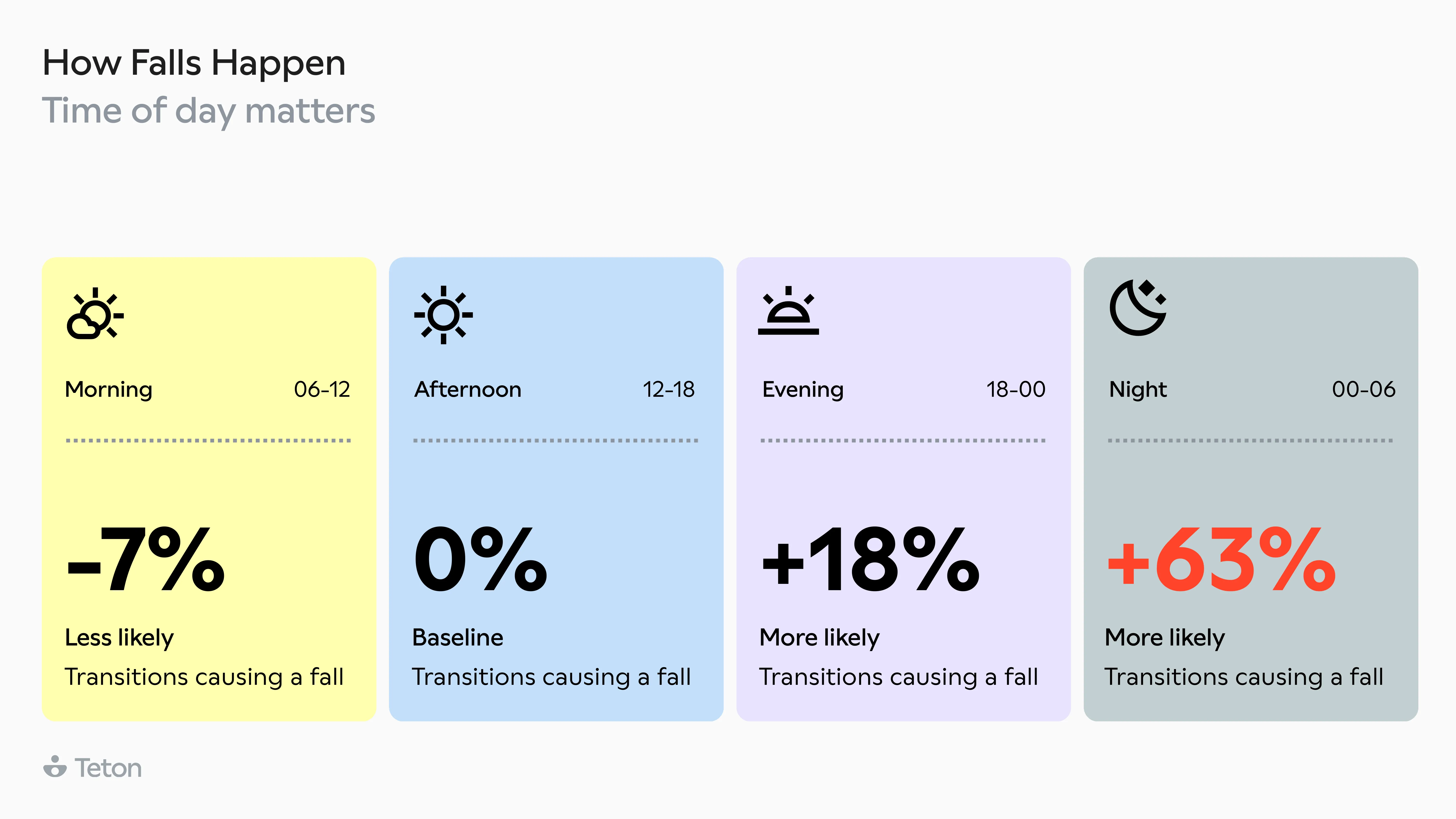
Time of day has a dramatic effect on fall risk:

Time windowFall likelihood vs. afternoon baseline
Morning (06:00–12:00)-7% (slightly lower)
Afternoon (12:00–18:00)Baseline
Evening (18:00–00:00)+18% (higher)
Night (00:00–06:00)+63% (much higher)

A transition at 3 AM is 63% more likely to result in a fall than the same transition at 3 PM. This isn't surprising: reduced staffing, darkness, disorientation from waking, and medication effects all play a role. But the magnitude is what stands out. Night-time monitoring isn't just "nice to have." It's where the majority of the preventable risk sits.

Time of day: Morning -7%, Afternoon baseline, Evening +18%, Night +63% more likely

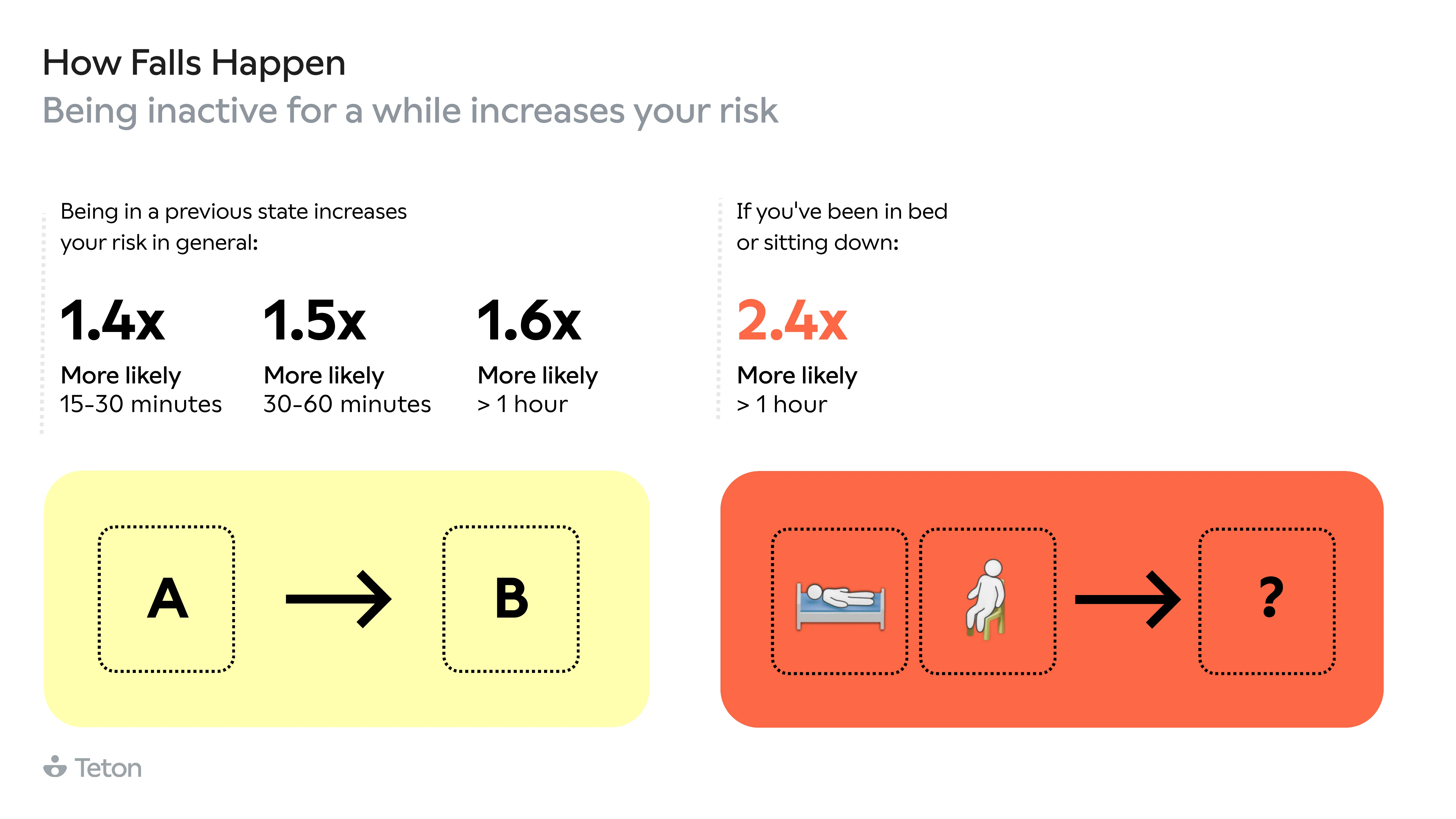
Inactivity is a risk multiplier

The longer a resident has been inactive before a transition, the more dangerous that transition becomes:

Time in previous stateFall risk multiplier
< 15 minutesBaseline
15–30 minutes1.4x
30–60 minutes1.5x
> 1 hour (any state)1.6x
> 1 hour (in bed or sitting)2.4x

A resident who has been lying in bed for over an hour and then transitions to standing is 2.4 times more likely to fall than one who has been resting for less than 15 minutes. The clinical explanation is straightforward (orthostatic hypotension, stiffness, disorientation) but the monitoring implication is significant. An alert for "getting out of bed" at night after an hour of sleep is a fundamentally different event from the same transition after 5 minutes, and should be treated accordingly.

Inactivity risk: 15-30 min 1.4x, 30-60 min 1.5x, >1 hour 1.6x, >1 hour in bed/sitting 2.4x

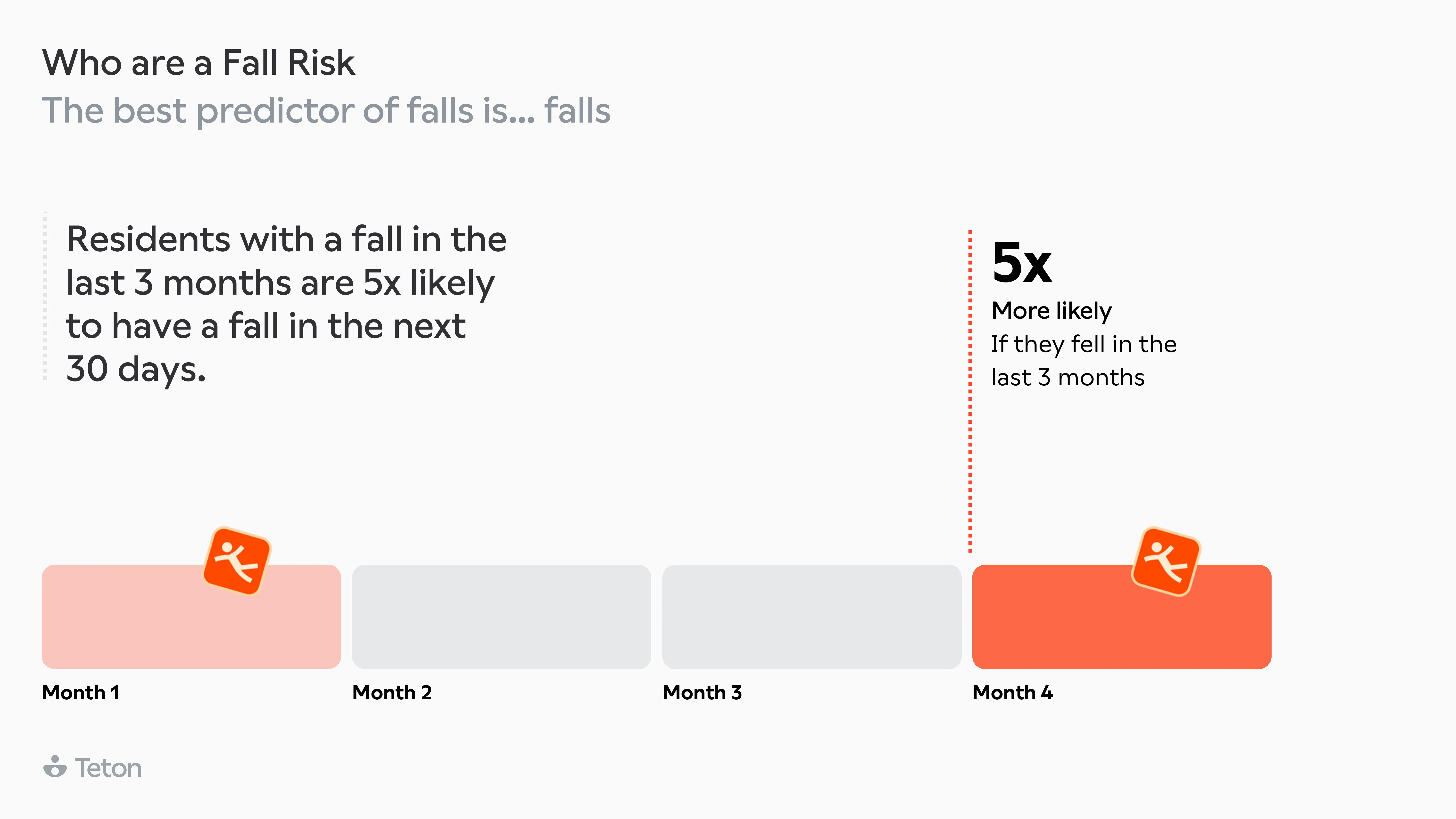
The best predictor of falls is falls

Residents who had a fall in the last 3 months are 5 times more likely to have another fall in the next 30 days. This is the single strongest predictor in our model, stronger than any health metric, mobility aid usage, or sleep pattern.

This has a direct operational implication: after a fall, a resident's monitoring sensitivity should increase immediately and stay elevated for at least 90 days. Most facilities don't do this systematically.

Fall history: residents with a fall in the last 3 months are 5x more likely to fall in the next 30 days

Walking aid users: 32% of residents, 52% of falls

This was one of the most striking findings. Walking aid users are 3.2 times more likely to fall than residents who don't use mobility aids. Despite being only about a third of the population, they account for more than half of all falls.

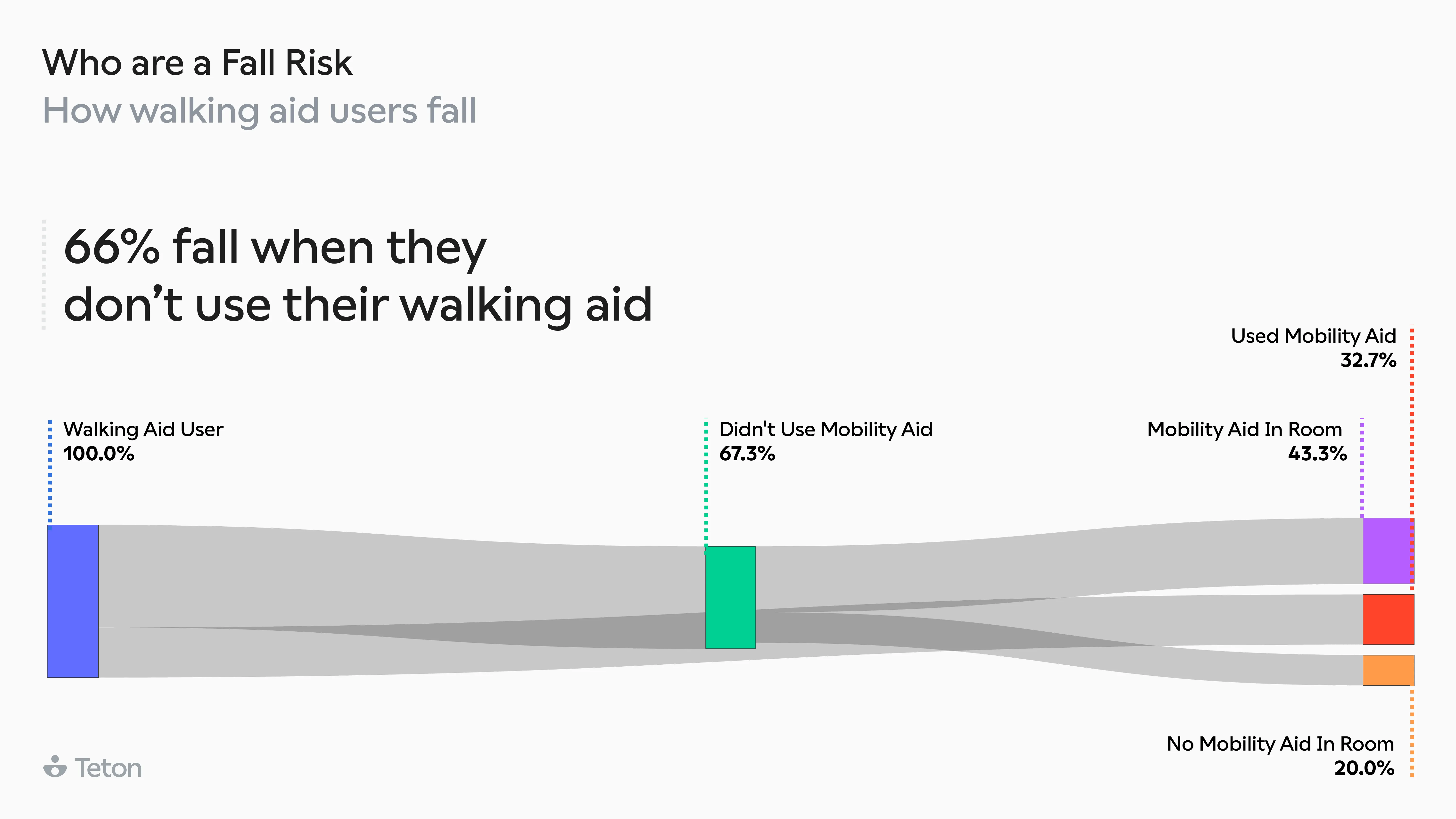
The data gets more specific:

Walking aid user fallsPercentage
Not using walking aid at time of fall67.3%
Aid was in room but not in use43.3%
Aid was not in room20.0%
Using walking aid at time of fall32.7%

Two-thirds of walking aid user falls happen when the aid isn't being used. And in 43% of cases, the walking aid was physically in the room, just not within reach. This is a significant finding because it points to a category of falls that is preventable through environmental adjustment rather than clinical intervention. Repositioning a walking aid closer to the bed is a simple change that care teams can act on immediately.

Walking aid users: 32% of residents, 52% of falls, 3.2x more likely to fall
How walking aid users fall: 67% without the aid, 43% with aid in room but not in use

Wheelchair users and bed transfers

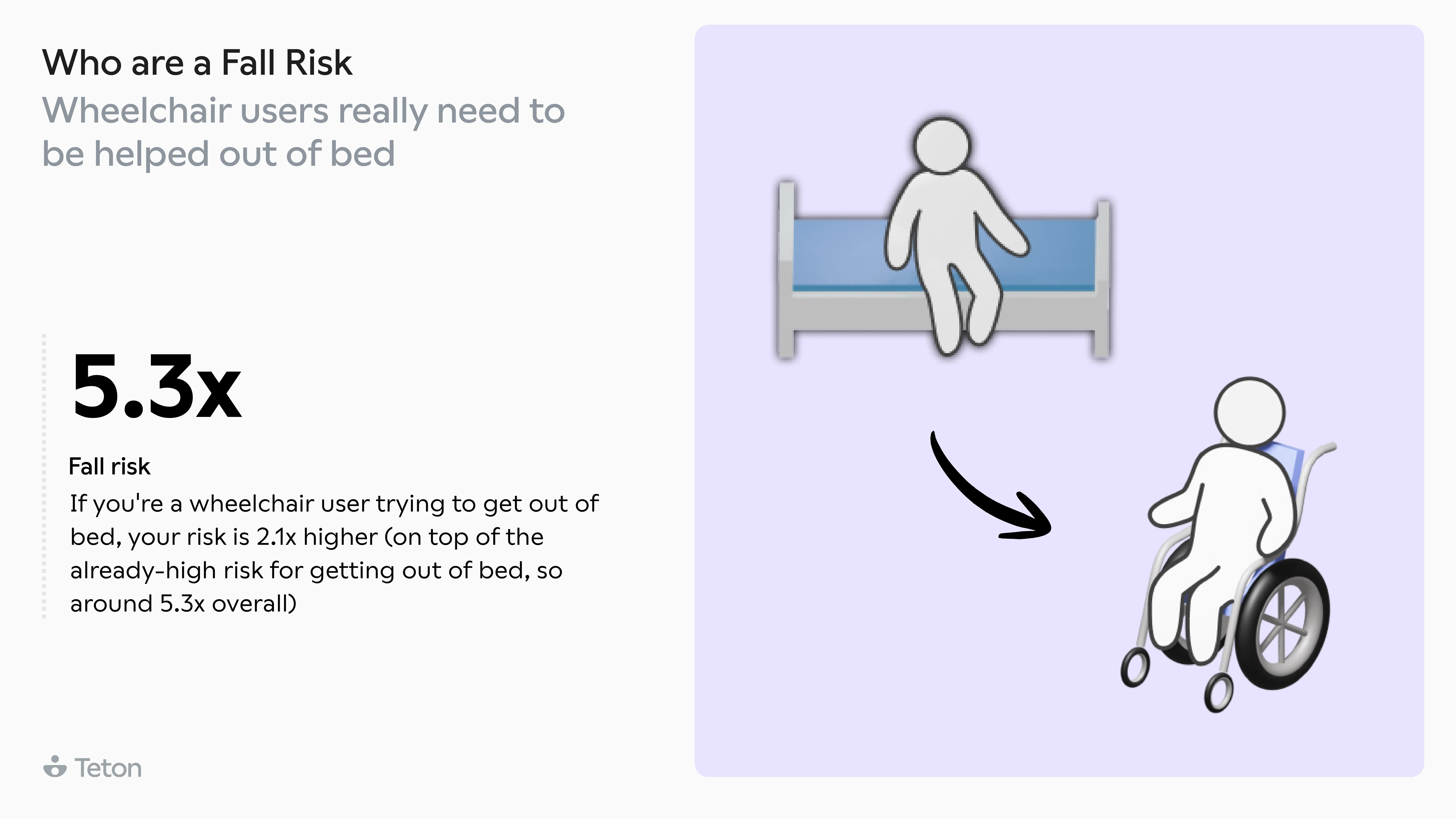
Wheelchair users face a compounded risk. Getting out of bed is already 2.5x more dangerous than baseline. For wheelchair users, it's 5.3x: the 2.5x base risk multiplied by an additional 2.1x from the wheelchair transfer.

In care settings where bed-exit monitoring was active for wheelchair users, fall rates in this group dropped by 66% (from 16.8 to 5.7 per 1,000 patient-days), the largest reduction of any population segment in the dataset.

Wheelchair users: 5.3x fall risk when getting out of bed, the highest-risk transition measured

Sleep and respiration: the quiet signals

Two health metrics showed meaningful correlation with fall risk:

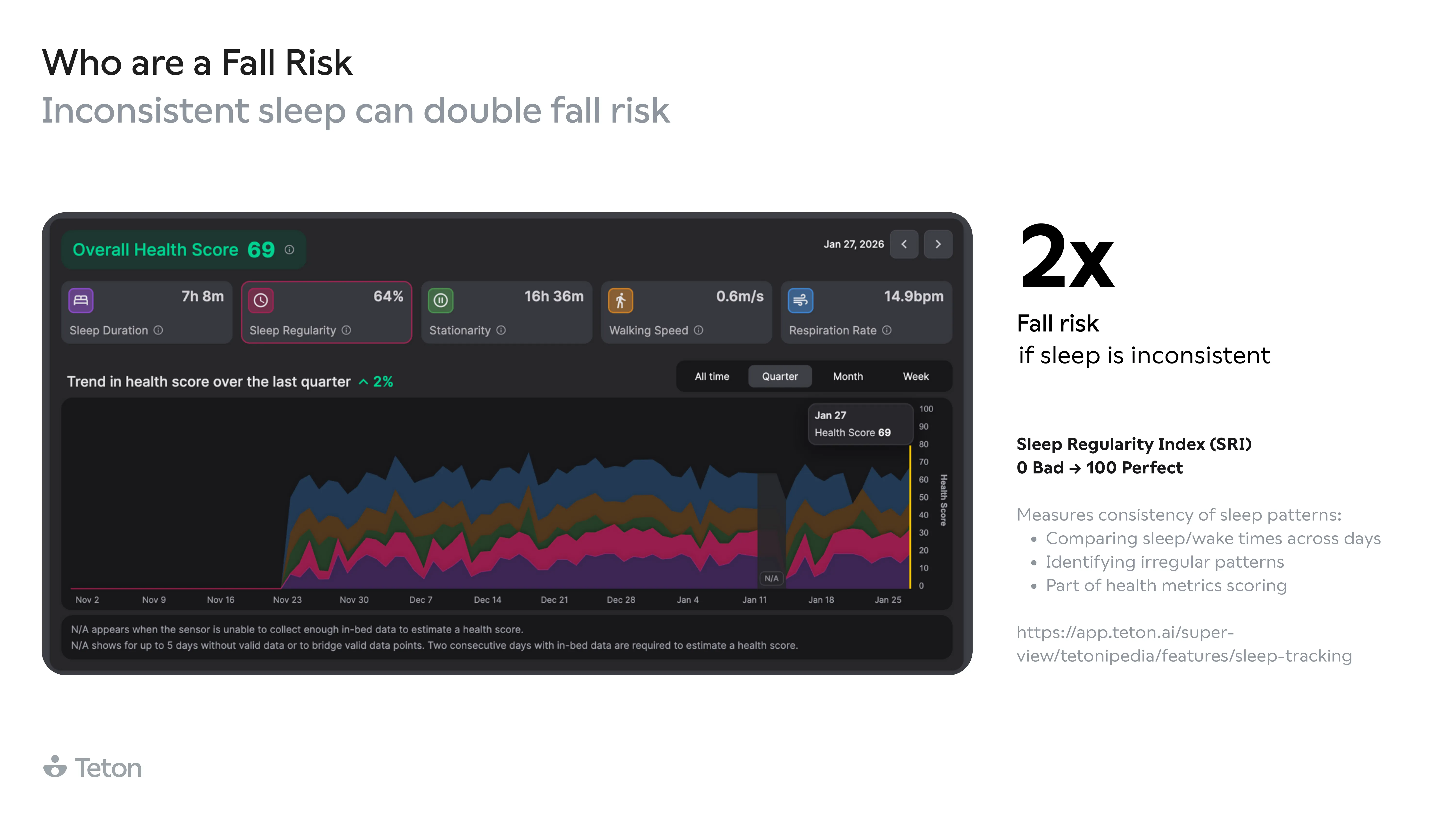
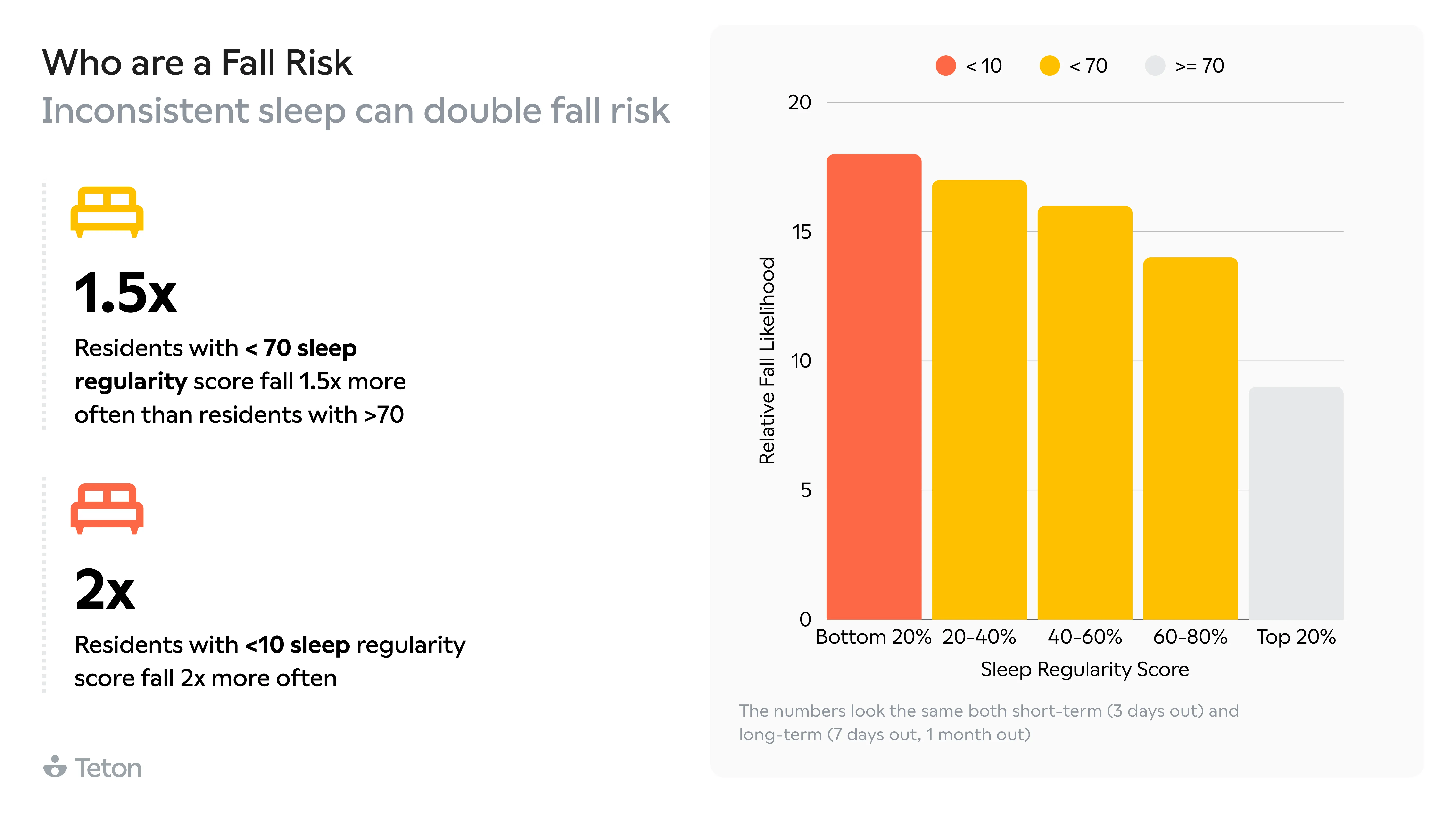
Sleep regularity: We measure how consistently a resident falls asleep and wakes up at the same times each day. This is scored on a 0 to 100 scale, where 100 means perfectly consistent sleep patterns and lower scores mean increasingly irregular timing. Residents scoring below 70 fall 1.5x more often. Below 10, they fall 2xmore often. This relationship holds for both short-term (3-day) and long-term (30-day) predictions. When a resident's sleep pattern starts shifting, it's often the first visible sign that something has changed: new medication, increasing pain, an emerging infection, or cognitive decline. It shows up in fall risk before it shows up anywhere else.

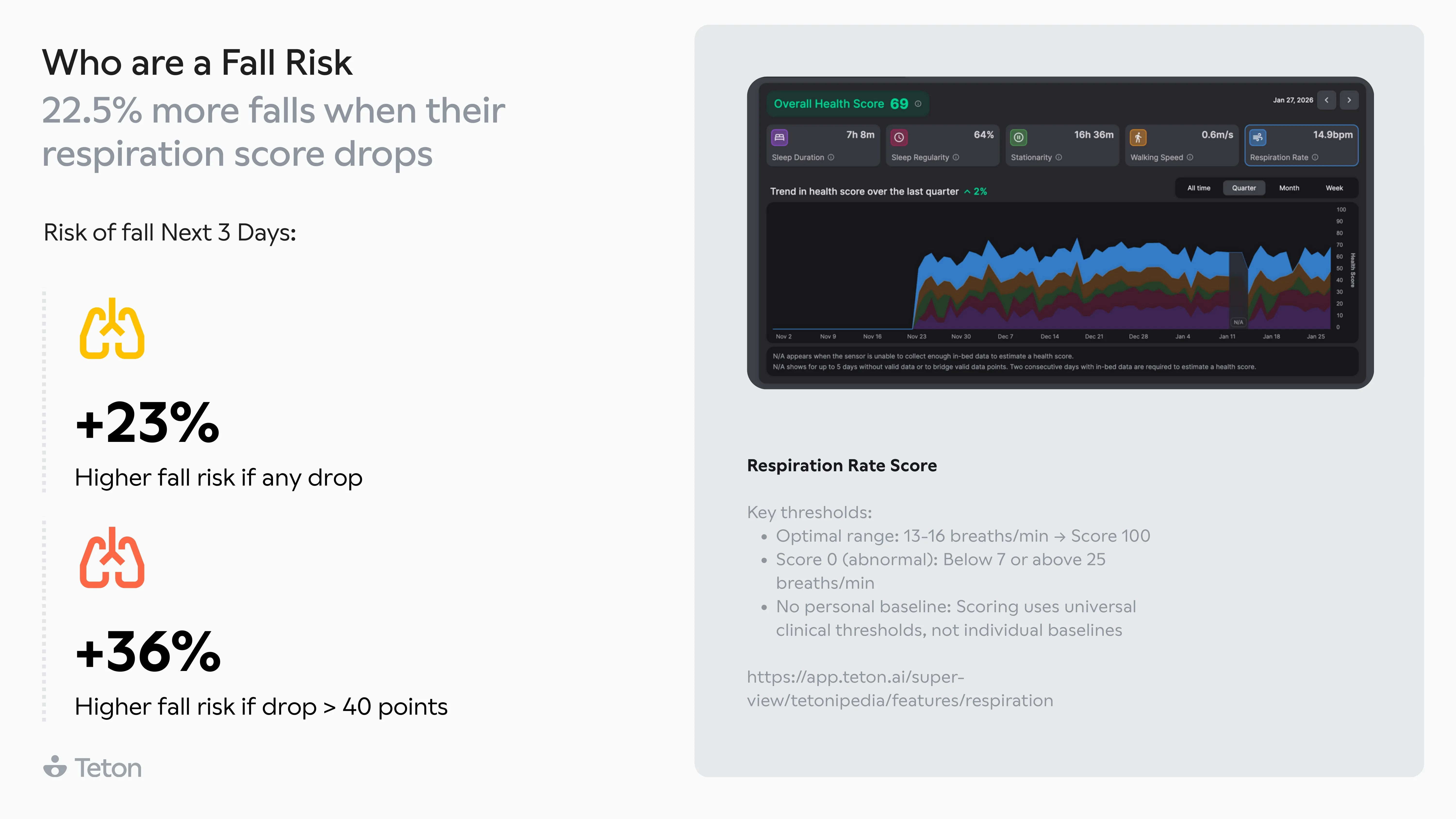
Respiration rate: The sensor measures breathing rate overnight. When a resident's respiration rate starts increasing from their normal baseline, it often means they are getting ill. And when someone is getting ill, they are also more likely to fall. Any increase from their baseline raises fall risk by 23% within the next 3 days. A significant shift increases it by 36%. The connection is straightforward: infection, fluid retention, and medication changes all affect balance and cognition, and they show up in breathing patterns before a fall happens.

Neither of these are traditional fall risk factors. They're not on any standard assessment checklist. But they're measurable, they're predictive, and the Teton sensor captures both of them passively, every night.

Sleep regularity and fall risk
Sleep regularity chart showing fall likelihood by quintile
Respiration risk: +23% higher fall risk with any score drop, +36% with drops over 40 points

From data to prevention: how Teton uses these findings

Understanding when and why falls happen is only useful if it changes what care teams do. Teton's system translates these findings into three prevention mechanisms, each addressing a different part of the problem:

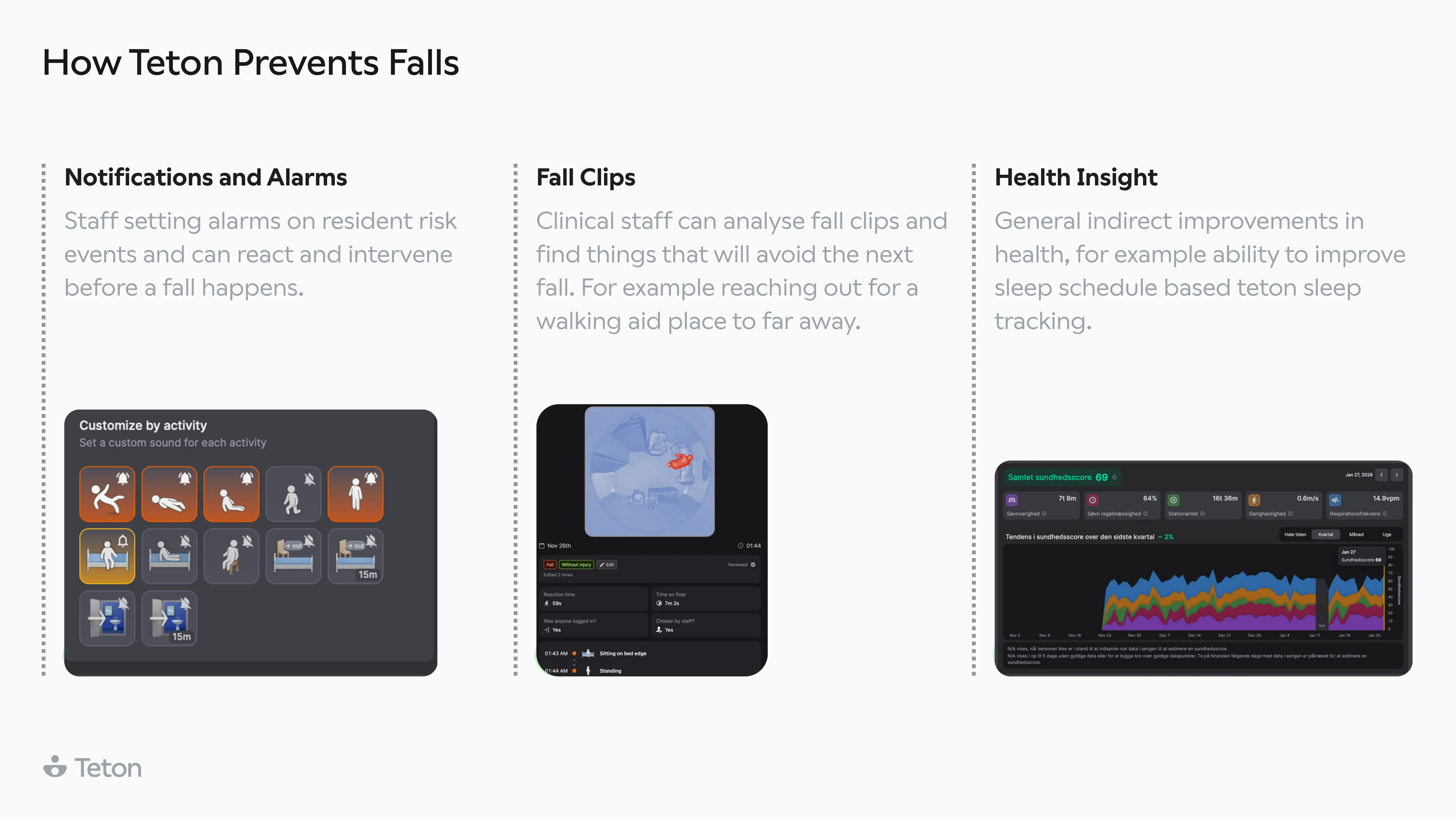
1. Notifications and alarms

Setting the right alarms for each resident based on their actual risk profile, and staff responding to them. When a high-risk resident gets out of bed at night, the right person gets notified immediately. This is the most direct mechanism: detect a dangerous transition, alert staff, intervene before a fall.

2. Fall clip analysis

When a fall does happen, clinical teams can review an anonymised clip showing what led up to it. This gives visibility into whether anything could have been done differently. A nurse might see that a resident was reaching for their walking aid at 2 AM because it was parked too far from the bed. That's an environmental fix the team can make the next morning. Over time, reviewing fall clips builds a practical understanding of how falls happen in each specific facility.

3. Health insights

Continuous monitoring of sleep patterns and respiration gives clinical teams data they can act on beyond fall prevention. If a resident's sleep regularity is declining, the care team can investigate the cause and address it. Improving sleep quality and respiratory health doesn't just reduce fall risk directly. It improves overall resident wellness, which in turn makes falls less likely. This is the longer-term, less visible mechanism, but the data shows it contributes meaningfully to the overall reduction.

Three pillars of prevention: Notifications and Alarms, Fall Clips, Health Insight

The results: 42% reduction, and the path to 70%

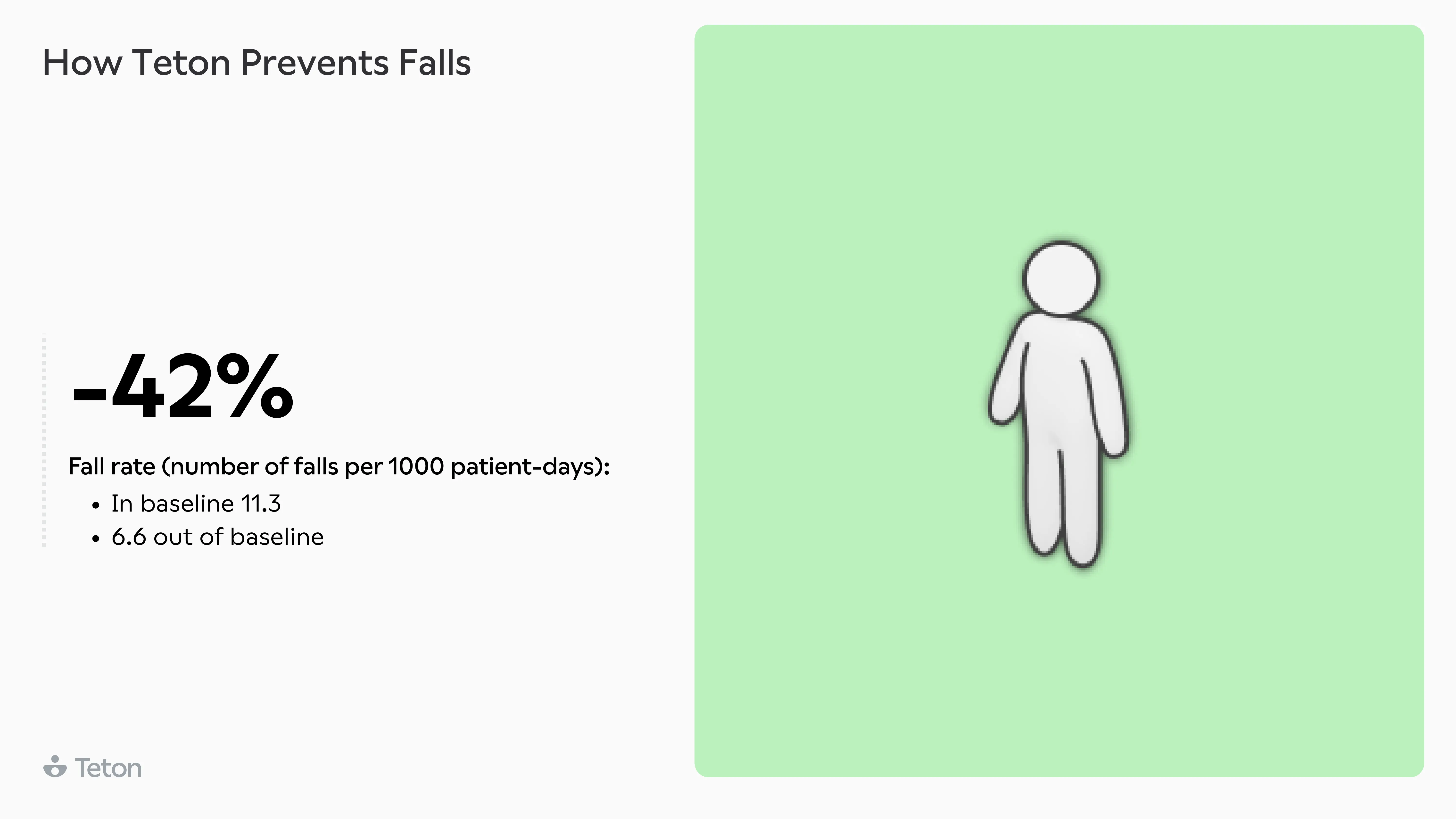
Together, these three mechanisms have produced measurable results. Communities using Teton's monitoring system saw an overall fall rate reduction of 42%, from 11.3 to 6.6 falls per 1,000 patient-days. The reduction was most dramatic for the transition types that the alarm system is designed to catch:

Transition typeFall reduction
Sitting in wheelchair → fall-54.7%
Standing on floor → fall-54.6%
Sitting on bed edge → fall-53.4%

These are the transitions where the Teton system helps the most: moments where a resident moves from a supported position to an unsupported one. The system detects the transition, alerts staff, and gives them time to intervene.

But the analysis shows that of the 60% of falls that still occurred, 37% could have been prevented. The reasons they weren't:

Reason% of remaining falls
No alarm was configured on the relevant transition24.8%
An alarm was sent but staff didn't respond12.3%
No state change was detected before the fall12.2%
The fall was too quick to detect (instantaneous)10.7%

The first two categories, representing over 37% of remaining falls, are addressable with better alarm configuration and fewer, more targeted notifications.

The path to 70%+ fall reduction isn't theoretical. It's the sum of closing these specific, measured gaps.

Fall rate reduction: -42% overall
42% fewer falls. Here's how.

See how these findings translate to your care setting.

Book a demo

All statistics in this analysis are based on production data from Teton-monitored care settings. No estimates or projections.